


Eating for heart health does not mean giving up traditional African cuisine. In many cases, it means returning to it. Across the continent, some of the most nourishing everyday foods are naturally rich in soluble fiber, antioxidants, and plant-based compounds that help support healthy cholesterol levels. While many modern diets rely heavily on processed ingredients, traditional African meals are often built around leafy vegetables, legumes, whole grains, herbs, spices, and naturally nutrient-dense drinks. That combination can make a real difference for people trying to lower LDL, often called “bad” cholesterol, and improve long-term cardiovascular health.
High cholesterol is one of the major risk factors for heart disease, but food choices can play a powerful role in managing it. Research has consistently shown that diets rich in fiber and minimally processed plant foods can help reduce cholesterol absorption and improve overall heart health. According to the HEART UK guidance on African and Caribbean diets, many traditional ingredients commonly eaten across Africa can form part of a heart-healthy eating pattern. That is one of the reasons African cuisine deserves more attention in conversations about wellness, prevention, and sustainable nutrition.

What makes this especially important is that lowering cholesterol does not have to involve extreme dieting or expensive imported “superfoods.” Many African households already cook with ingredients that support better heart health when prepared in balanced, less processed ways. From sukuma wiki and ugu to beans, millet, okra, and hibiscus, these foods are both culturally familiar and nutritionally powerful.
African leafy greens support healthy cholesterol levels
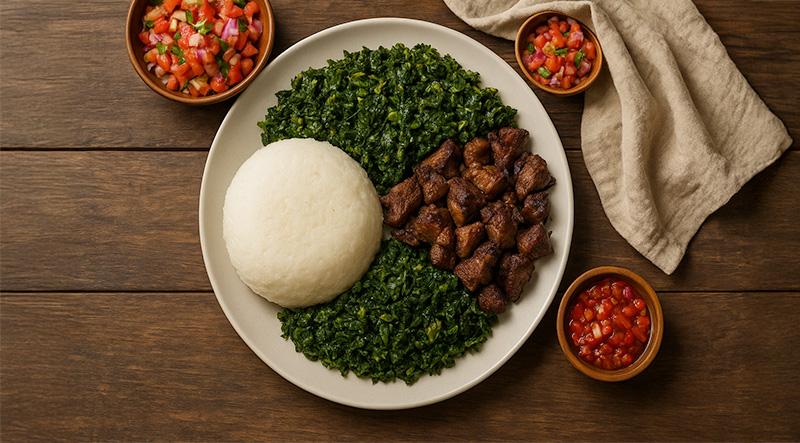
Leafy vegetables are among the most valuable foods for anyone trying to lower cholesterol naturally, and African cuisine offers an impressive variety. Greens such as ugu, sukuma wiki, bitter leaf, amaranth leaves, and African spinach are rich in dietary fiber, vitamins, minerals, and antioxidant compounds that help protect the heart. Soluble fiber is particularly important because it binds to cholesterol in the digestive tract and helps the body remove it before it enters the bloodstream. At the same time, antioxidants help reduce oxidative stress, which is closely linked to inflammation and cardiovascular disease.
Bitter leaf has attracted particular interest because of its traditional medicinal use and its nutritional profile. These greens are commonly incorporated into soups, stews, and sautéed dishes, making them easy to include regularly without feeling like a special diet food. That matters because consistency is one of the most important factors in cholesterol management. Rather than making occasional healthy choices, building meals around leafy vegetables several times a week can contribute to a steady, long-term improvement in diet quality and heart health.

In practical terms, this means that dishes built around greens are not just comforting and flavorful, but deeply functional. A plate of sukuma wiki served with a balanced portion of whole grains, or a pot of soup prepared with ugu and other vegetables, can become part of a realistic cholesterol-conscious lifestyle. The more these greens replace highly processed side dishes and low-fiber foods, the more meaningful the benefit can be over time.
Beans and legumes are some of the best African foods to lower cholesterol
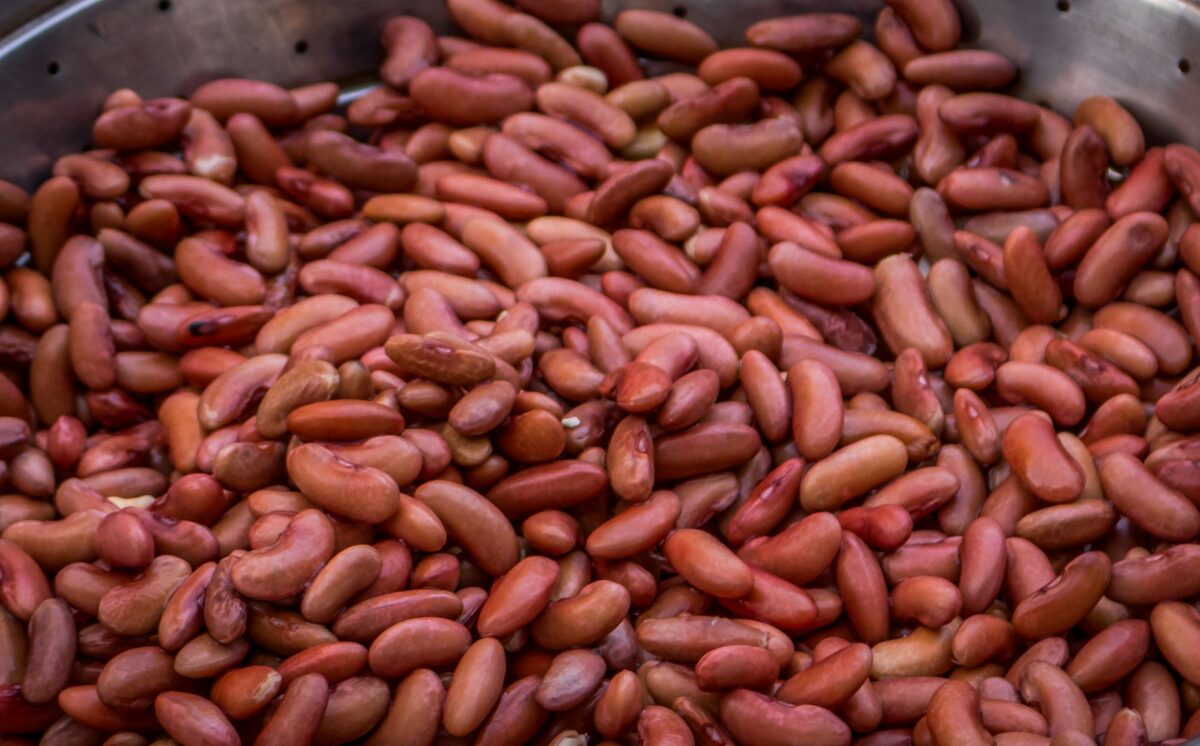
Beans are a cornerstone of many African diets, and they remain one of the most effective foods for improving cholesterol levels. Black-eyed peas, cowpeas, lentils, pigeon peas, and other legumes contain large amounts of soluble fiber, which helps reduce LDL cholesterol by trapping it during digestion. They also provide plant protein, which can help reduce dependence on fatty cuts of meat and other animal-based foods that may contribute to higher cholesterol when consumed too often.
The power of legumes lies in how well they fit into everyday eating. In many parts of Africa, beans are already central to traditional meals, whether in stews, mixed dishes, porridges, or simple home-cooked combinations with vegetables and grains. This makes them one of the easiest heart-friendly foods to increase without dramatically changing familiar routines. A meal like githeri, for example, offers a practical model of balanced eating because it combines legumes with other wholesome ingredients that support satiety, digestion, and metabolic health.
The Mayo Clinic’s guidance on improving cholesterol through diet highlights the value of soluble fiber from foods such as beans, which helps explain why traditional legume-based dishes deserve far more recognition. When eaten regularly, beans do more than fill the stomach. They actively contribute to a dietary pattern that supports healthier cholesterol numbers, better blood sugar control, and a lower risk of cardiovascular problems in the long run.
Okra helps reduce cholesterol naturally
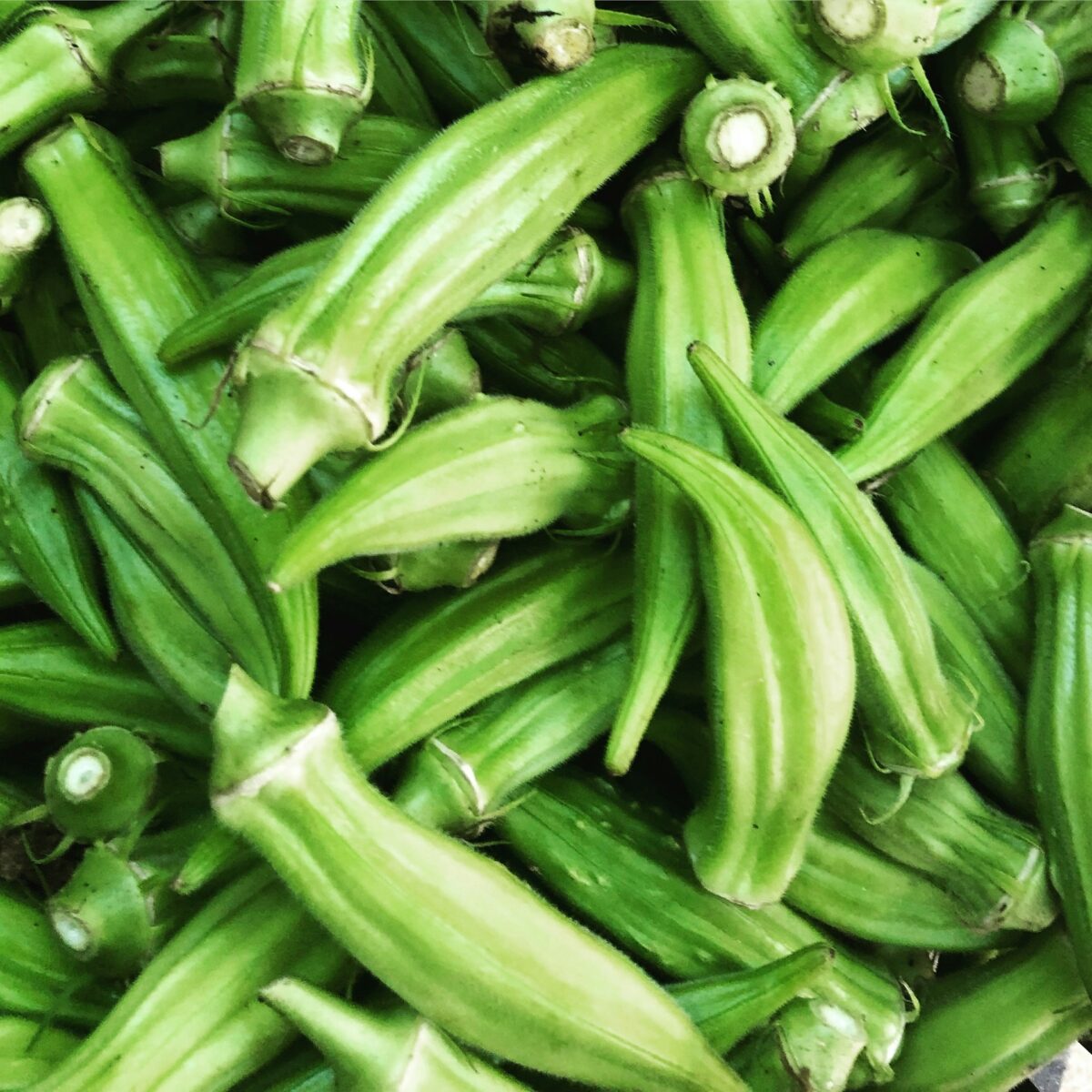
Okra is often celebrated for its texture in soups and stews, but that same texture is one of the reasons it may help lower cholesterol. The gel-like consistency of okra comes from soluble fiber and mucilage, compounds that can bind to bile acids and cholesterol in the digestive tract and help remove them from the body. This process can reduce the amount of cholesterol circulating in the blood, especially when okra is part of a broader high-fiber diet.
Beyond fiber, okra also contains beneficial plant compounds that may help reduce inflammation and support the health of blood vessels. This makes it more than a traditional comfort food. It is one of those ingredients that quietly delivers nutritional value while remaining versatile and affordable. Whether it appears in West African okra soup, mixed vegetable stews, or lighter sautéed dishes, okra can be an easy addition to a cholesterol-friendly meal plan.
The documented health benefits of okra have drawn increasing attention in recent years, particularly for digestive wellness and metabolic support. For people who want to improve heart health naturally, okra is worth taking seriously not because it is trendy, but because it has long been part of everyday cooking and offers real nutritional advantages when consumed regularly.
Whole grains like millet, sorghum, and fonio are better than refined carbs

Traditional African grains such as millet, sorghum, and fonio deserve a much bigger role in modern heart-healthy eating. These grains are naturally rich in fiber and provide a more nutritious alternative to refined carbohydrates, which are often stripped of their beneficial components during processing. When meals rely heavily on refined starches, it becomes harder to maintain stable blood sugar and a balanced metabolic profile. Whole grains, by contrast, help improve digestion, support fullness, and contribute to healthier cholesterol management.
One of the major advantages of these grains is that they fit naturally into longstanding culinary traditions. Millet porridges, sorghum-based meals, and fonio dishes are not foreign inventions introduced by health trends. They are part of the food heritage of many African communities. Reintroducing or increasing them in the diet can be both culturally meaningful and nutritionally smart. Their fiber content helps reduce cholesterol absorption while supporting gut health, another factor increasingly linked to cardiovascular wellness.
The Harvard T.H. Chan School of Public Health overview of whole grains explains why replacing refined grains with whole grains is associated with better heart outcomes. In practical terms, choosing millet, sorghum, or fonio more often can help shift meals away from empty calories and toward ingredients that work harder for the body, especially when combined with vegetables, legumes, and moderate portions of healthy fats.
Hibiscus tea is a heart-friendly African drink
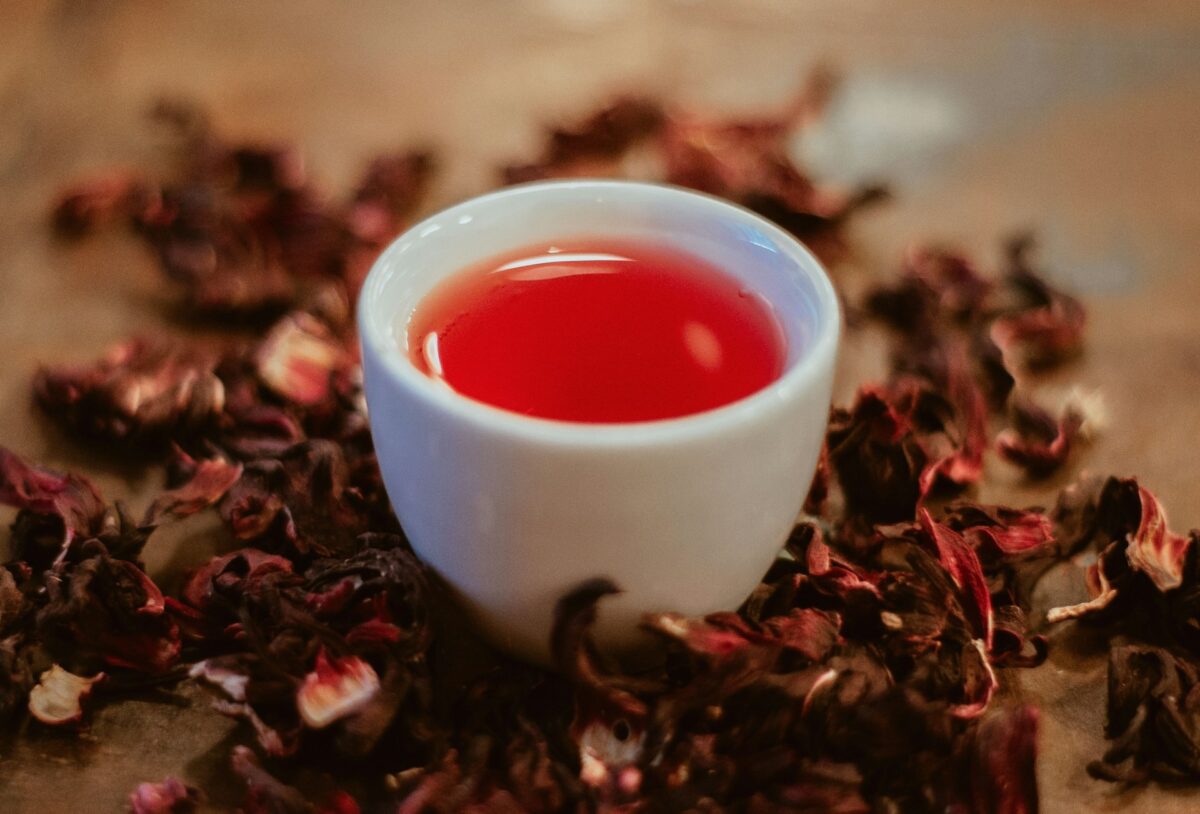
Hibiscus tea, known in different regions as zobo or bissap, is one of the most refreshing and beneficial traditional drinks linked to heart health. Made from dried hibiscus petals, this vibrant beverage is rich in antioxidants, especially anthocyanins, which are known for their role in protecting cells from oxidative stress. Several studies have examined hibiscus for its potential to support healthy blood pressure and improve lipid profiles, making it especially relevant for people focused on overall cardiovascular wellness.
One of the biggest advantages of hibiscus tea is that it offers a flavorful alternative to sugary soft drinks and heavily processed beverages. That substitution alone can improve the quality of the diet. But hibiscus may offer more than just a healthier swap. According to Mount Sinai’s overview of hibiscus, the plant has been studied for effects related to heart health and metabolic support. Drinking it with minimal or no added sugar is the best way to keep its benefits aligned with a cholesterol-lowering diet.
Because it is already familiar in many African kitchens and social settings, hibiscus tea can easily become part of a sustainable daily routine. Instead of thinking of it as a medicinal drink, it makes more sense to see it as a naturally functional beverage that belongs in a balanced lifestyle. When combined with whole foods and lower intake of processed fats, it can support broader efforts to improve cholesterol and heart health naturally.
African spices add flavor and support heart health
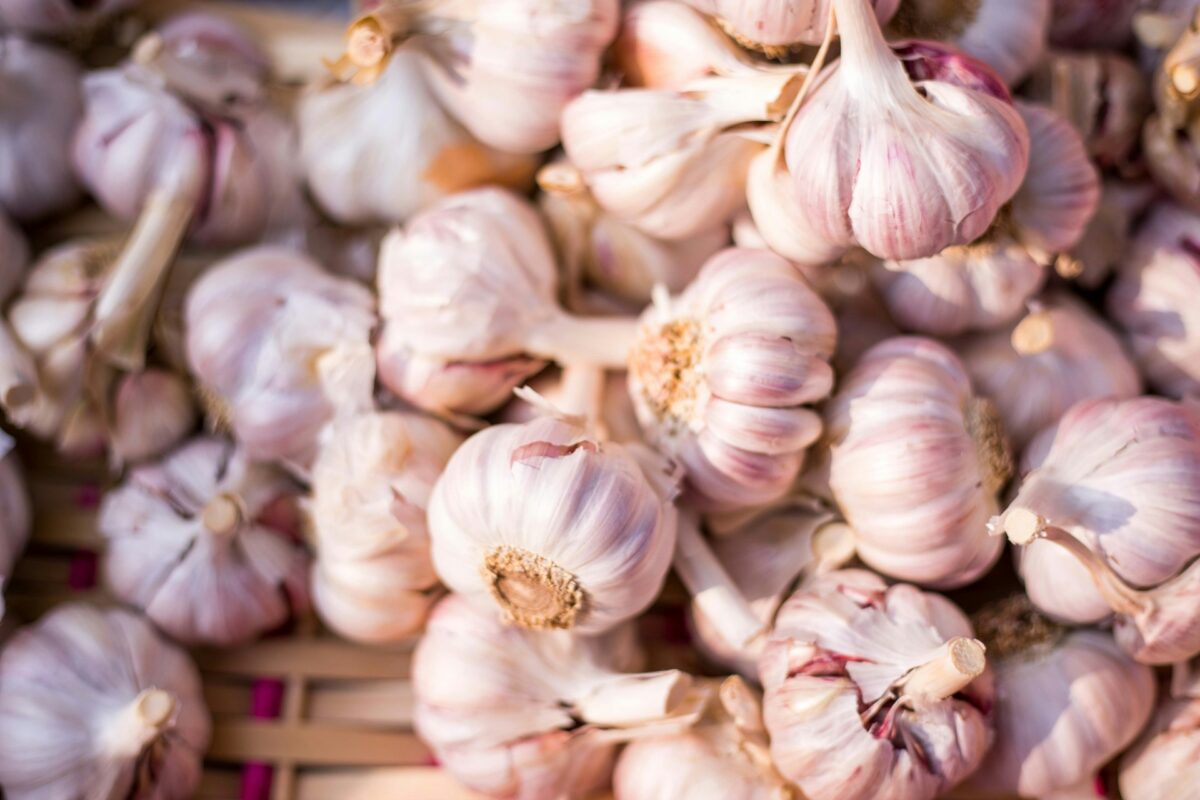
Many African dishes gain their depth from spices and aromatics, and these ingredients can offer more than flavor. Garlic, ginger, turmeric, cloves, and African nutmeg are often used in traditional cooking, and many of them contain compounds associated with anti-inflammatory and antioxidant effects. While spices alone will not solve high cholesterol, they can strengthen the overall nutritional quality of meals and encourage cooking methods that rely less on excess salt, sugar, and heavily processed sauces.
Garlic has been especially well known in nutrition discussions related to cardiovascular support, while ginger is frequently valued for its role in digestion and inflammation management. In the context of African cooking, these ingredients are rarely isolated as “health foods” because they are already part of everyday meal preparation. That is precisely what makes them so useful. Foods that are easy to enjoy consistently tend to have a much bigger long-term impact than ingredients people use only occasionally.
What matters most is the pattern. Meals seasoned with natural spices, cooked with vegetables and legumes, and built around minimally processed ingredients create a stronger foundation for heart health than meals dominated by fried, packaged, or overly refined foods. Spices may seem like small additions, but over time they help shape a style of cooking that is both delicious and better aligned with cholesterol control.
Nuts and seeds provide healthy fats that can improve cholesterol balance
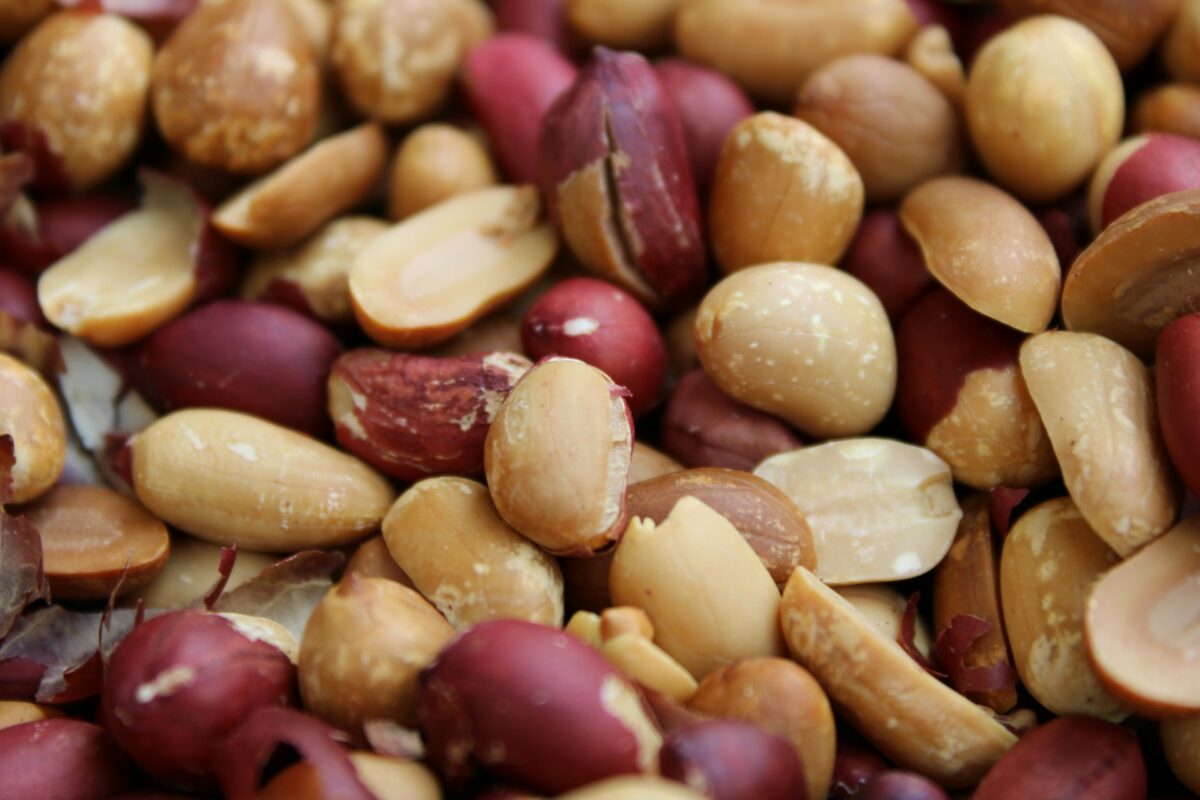
Nuts and seeds such as groundnuts, sesame seeds, and tiger nuts can also play a useful role in cholesterol management when eaten in sensible portions. Unlike foods high in unhealthy trans fats or excessive saturated fats, nuts and seeds contain unsaturated fats that can help improve the balance between LDL and HDL cholesterol. They also supply plant compounds, minerals, and in some cases fiber, all of which contribute to a more heart-supportive diet.
Groundnuts are especially common in many African cuisines and can be used in sauces, stews, snacks, and pastes. Sesame seeds are another nutrient-rich option that can add texture and flavor to meals while contributing beneficial fats. The key is preparation and moderation. Nuts and seeds offer valuable nutrition, but they work best as part of balanced meals rather than as heavily salted, heavily sweetened, or ultra-processed snack products.
For people trying to lower cholesterol naturally, nuts and seeds can be a smart addition because they help replace poorer-quality fat sources while making meals more satisfying. That satisfaction matters. Diets that are enjoyable and filling are easier to maintain, and maintenance is what drives real progress in long-term heart health.
How to build a cholesterol-friendly African diet
The best way to use these foods is not to focus on a single “miracle” ingredient, but to build a pattern of eating that includes them regularly. A cholesterol-friendly African diet can be based on vegetables, beans, whole grains, traditional herbs and spices, and drinks like unsweetened hibiscus tea. It can still be rich in flavor, culturally rooted, and satisfying. The goal is not to reject African cuisine, but to lean into its most nourishing traditions while reducing dependence on highly processed foods, excessive frying, and overly fatty or sugary additions.
This approach is also more sustainable than strict dieting. Instead of chasing short-term results, it encourages habits that people can maintain over time. Replacing refined starches with millet or sorghum, eating leafy greens more often, including beans several times a week, and choosing traditional drinks over sugary sodas may sound simple, but these are exactly the kinds of realistic choices that can support healthier cholesterol levels over the long term.
If you are working on a broader wellness plan, you may also enjoy our related guide to the best fruits to lower cholesterol naturally, which pairs well with the foods discussed here and can help you build a more complete heart-healthy African diet.
Final thoughts
Some of the best African foods to lower cholesterol are not rare or expensive. They are already found in everyday kitchens across the continent. Leafy greens, beans, okra, whole grains, hibiscus, traditional spices, nuts, and seeds all offer meaningful benefits when they are part of a balanced routine. Their strength lies not only in their nutritional value, but in the fact that they are practical, familiar, and deeply connected to the food traditions many people already know and love.
That is why African cuisine has so much potential in conversations about natural heart health. Rather than seeing healthy eating as something imported or restrictive, it makes more sense to recognize the value that already exists in traditional ingredients and time-tested meals. For many people, the path to better cholesterol control may begin not with a radical change, but with a deeper appreciation of the foods that have been there all along.