


If you’re looking for a natural way to lower cholesterol, the answer often starts with what’s already in your kitchen. Fruits, in particular, can play an important role in supporting heart health thanks to their combination of soluble fiber, antioxidants, and plant-based compounds. Rather than relying only on restriction or short-term diet changes, building your meals around foods that actively support cholesterol balance can be a more sustainable and effective approach.
Cholesterol management is not only about cutting back on foods high in saturated fat. It is also about choosing ingredients that help the body regulate LDL cholesterol more efficiently over time. That is where fruit becomes especially valuable. A diet rich in fruit can support cardiovascular health in several ways, from improving digestion to reducing inflammation and helping the body eliminate excess cholesterol.

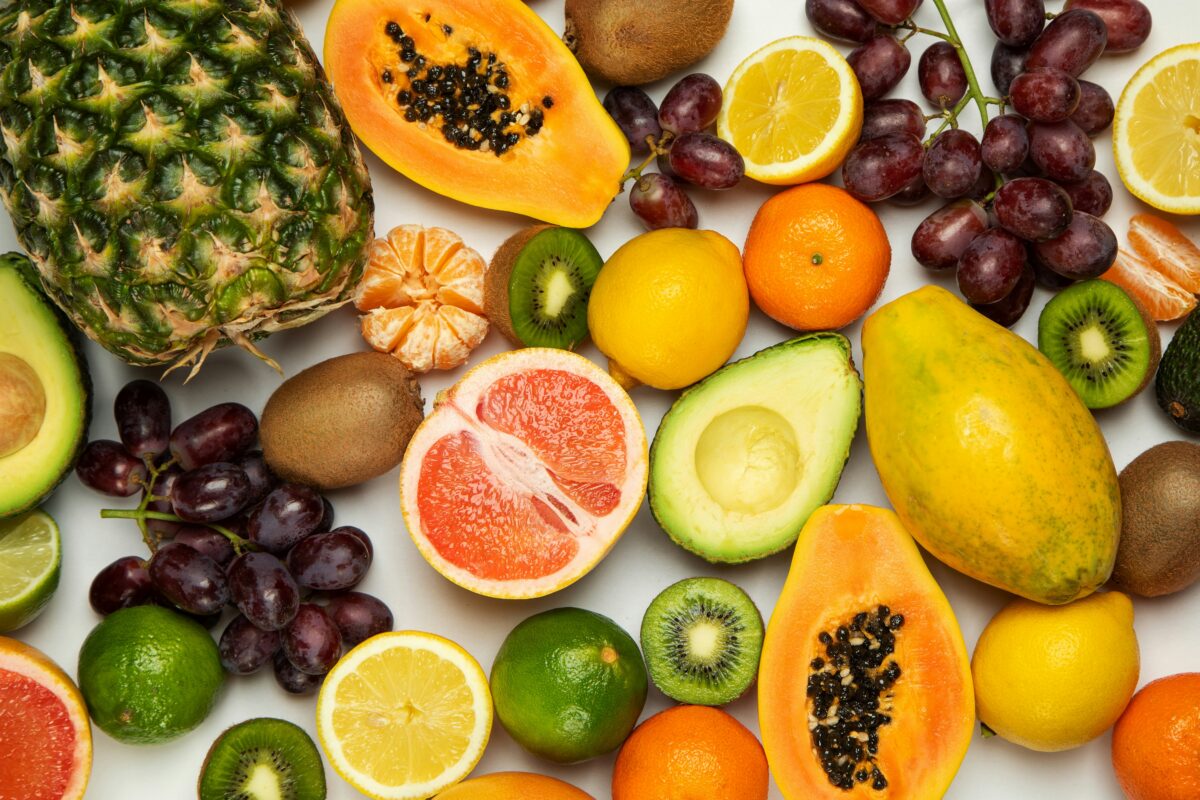
Why fruits help lower cholesterol
The cholesterol-lowering effect of many fruits is closely linked to their soluble fiber content, especially pectin. This type of fiber forms a gel-like substance in the digestive system, which helps bind cholesterol and carry it out of the body before it can be absorbed into the bloodstream. Over time, regular intake of fiber-rich fruit may help reduce LDL cholesterol levels as part of a balanced diet. The Harvard Health guide to cholesterol-lowering foods highlights soluble fiber as one of the most useful dietary tools for improving cholesterol profiles naturally.
Fruits also provide antioxidants and polyphenols that help protect the cardiovascular system. These compounds help reduce oxidative stress and inflammation, both of which are linked to long-term heart disease risk. In addition, many fruits are nutrient-dense and naturally low in calories, which makes them useful for people trying to manage both cholesterol and body weight. Research published in the American Journal of Clinical Nutrition has also associated higher fruit and vegetable intake with improved lipid markers and better overall cardiometabolic health.
Top fruits that can help lower cholesterol
Apples
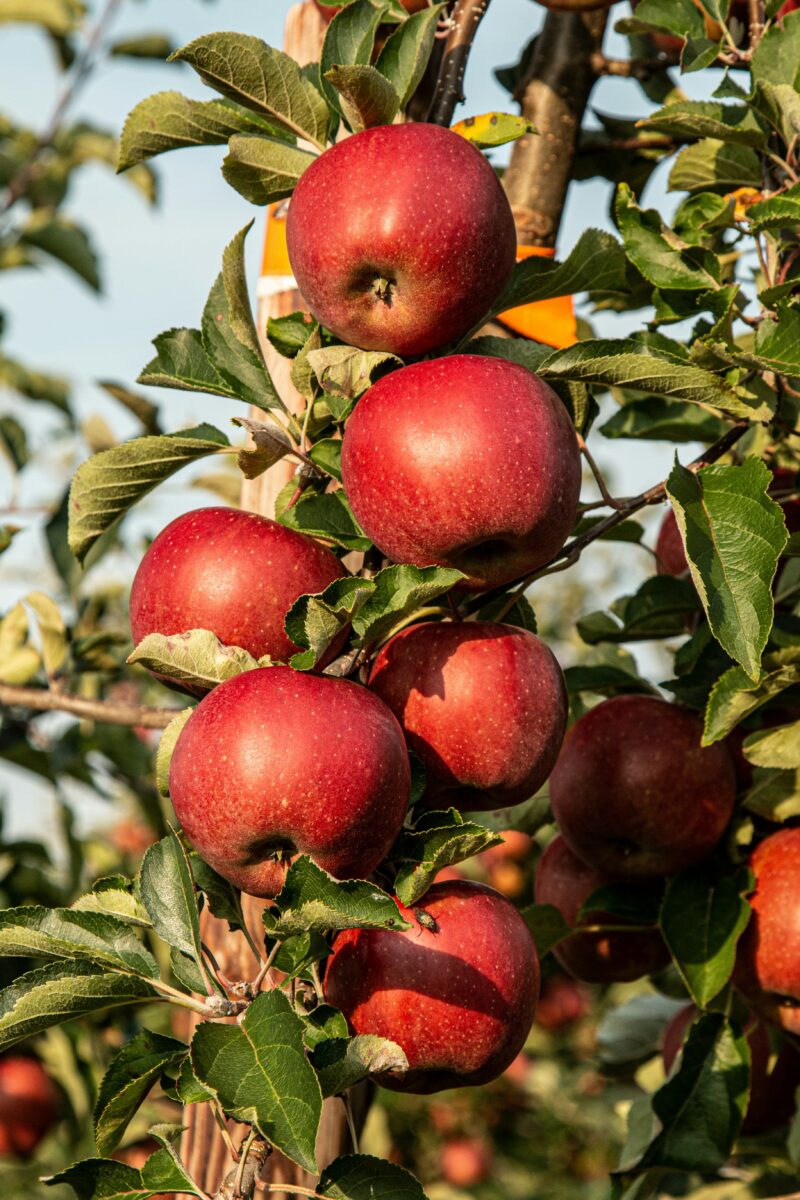
Apples are often considered one of the best fruits for lowering cholesterol naturally, and for good reason. They are rich in pectin, a soluble fiber that helps reduce the absorption of cholesterol in the gut, while also supplying polyphenols that support heart health. Eating apples whole, especially with the skin on, provides the greatest benefit because much of the fiber and many of the beneficial plant compounds are concentrated there. This makes apples a simple but effective daily food for anyone trying to improve their cholesterol levels through diet.

Another reason apples work so well in a heart-healthy eating plan is that they promote fullness and can help reduce reliance on ultra-processed snacks. This can support better weight management, which is often an important factor in controlling LDL cholesterol.
Berries
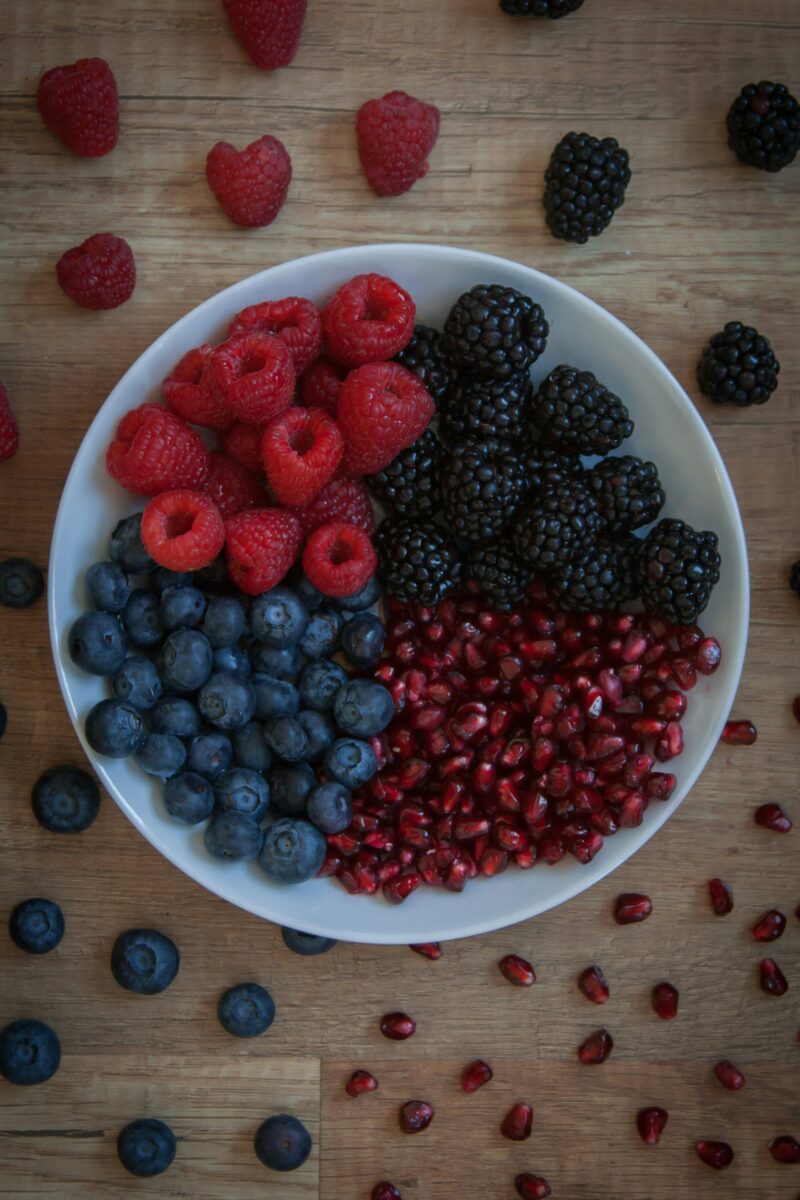
Blueberries, strawberries, raspberries, and blackberries are packed with antioxidants, especially anthocyanins, which are the compounds that give many berries their deep red, blue, and purple colors. These antioxidants help reduce inflammation and oxidative damage, both of which can contribute to cardiovascular disease. Berries are also rich in fiber, making them one of the most effective fruits for supporting cholesterol control while also fitting easily into breakfast, snacks, or desserts.
What makes berries especially useful is that they offer these benefits without a heavy glycemic load, which means they are generally a good choice for people trying to support blood sugar balance as well as heart health. Their versatility also makes them easy to include in a consistent routine, whether in oatmeal, yogurt, smoothies, or fruit bowls.
Citrus fruits
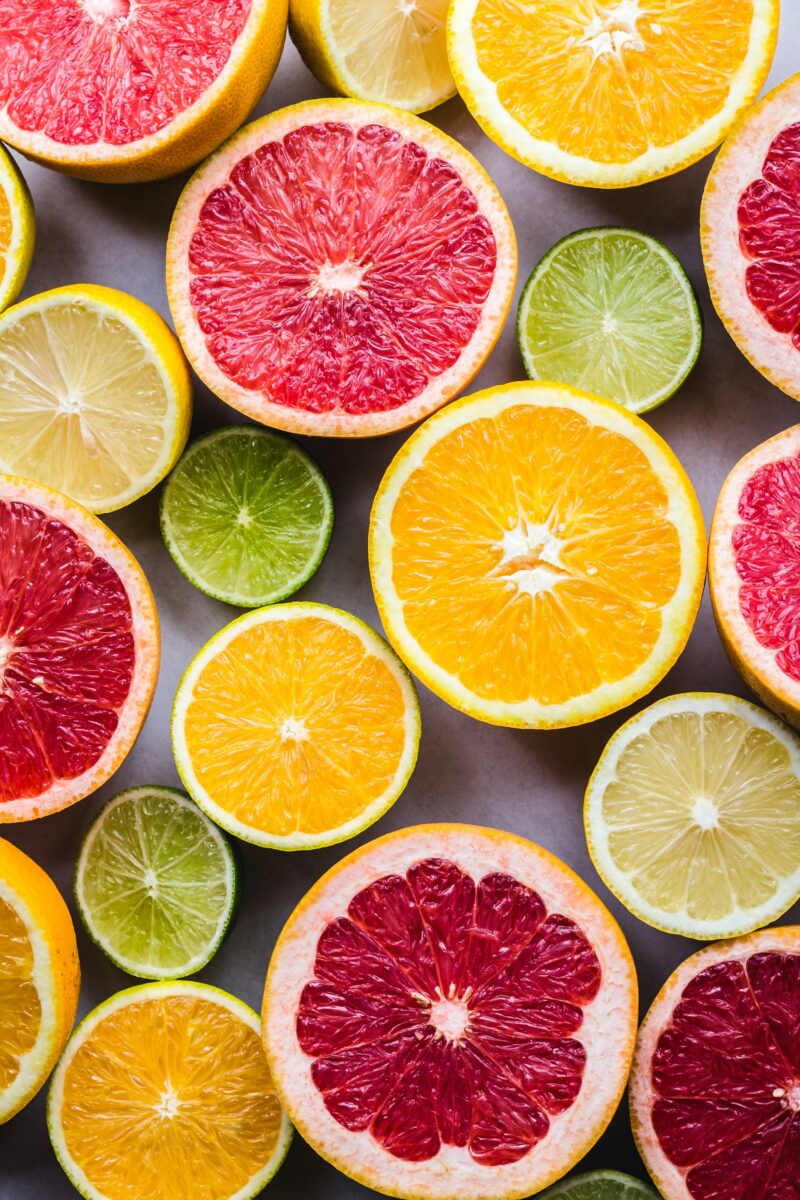
Oranges, grapefruits, lemons, and other citrus fruits can also support healthy cholesterol levels. Like apples, they contain soluble fiber, including pectin, which may help reduce LDL cholesterol over time. Citrus fruits also contain flavonoids such as hesperidin, which have been studied for their role in improving blood vessel function and supporting overall cardiovascular health. Eating whole citrus fruit rather than relying on sweetened juice is generally the better option because it preserves the fiber that helps make these fruits so beneficial.
In addition to supporting cholesterol balance, citrus fruits provide vitamin C and other protective compounds that contribute to a healthier circulatory system. Their refreshing taste and ease of use make them one of the most practical additions to a heart-friendly diet.
Avocados
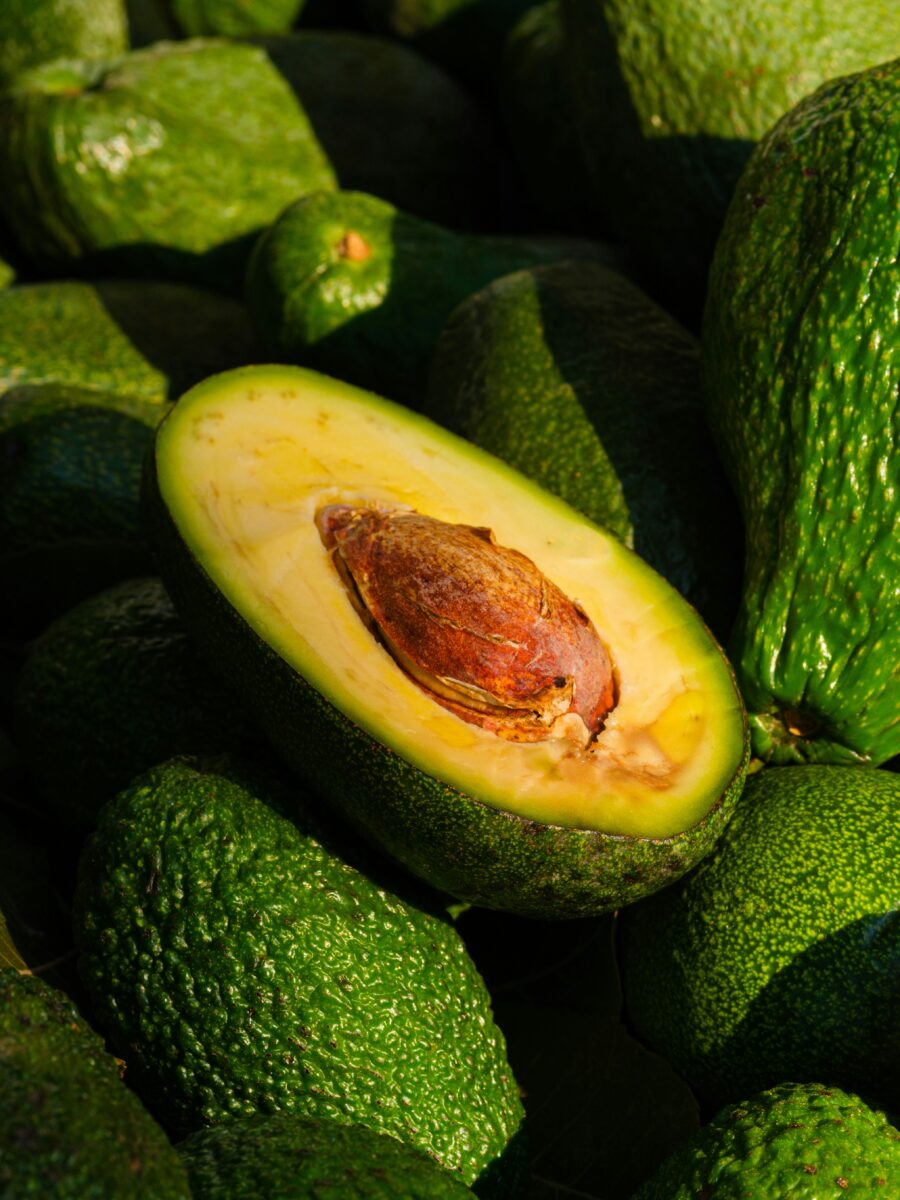
Avocados stand out from most other fruits because they are rich in monounsaturated fats, the same type of healthy fat often associated with olive oil and Mediterranean-style eating. These fats may help reduce LDL cholesterol while supporting healthier HDL cholesterol levels, making avocado one of the most balanced foods for overall lipid management. In addition to healthy fats, avocados also provide fiber, potassium, and other nutrients that support cardiovascular function.
Because of their creamy texture and mild flavor, avocados are easy to incorporate into many meals, from salads and grain bowls to toast and sandwiches. They can also be used as a more nutritious alternative to spreads high in saturated fat. For more on avocado’s cardiometabolic benefits, this review in the National Library of Medicine offers a helpful scientific overview.
Grapes
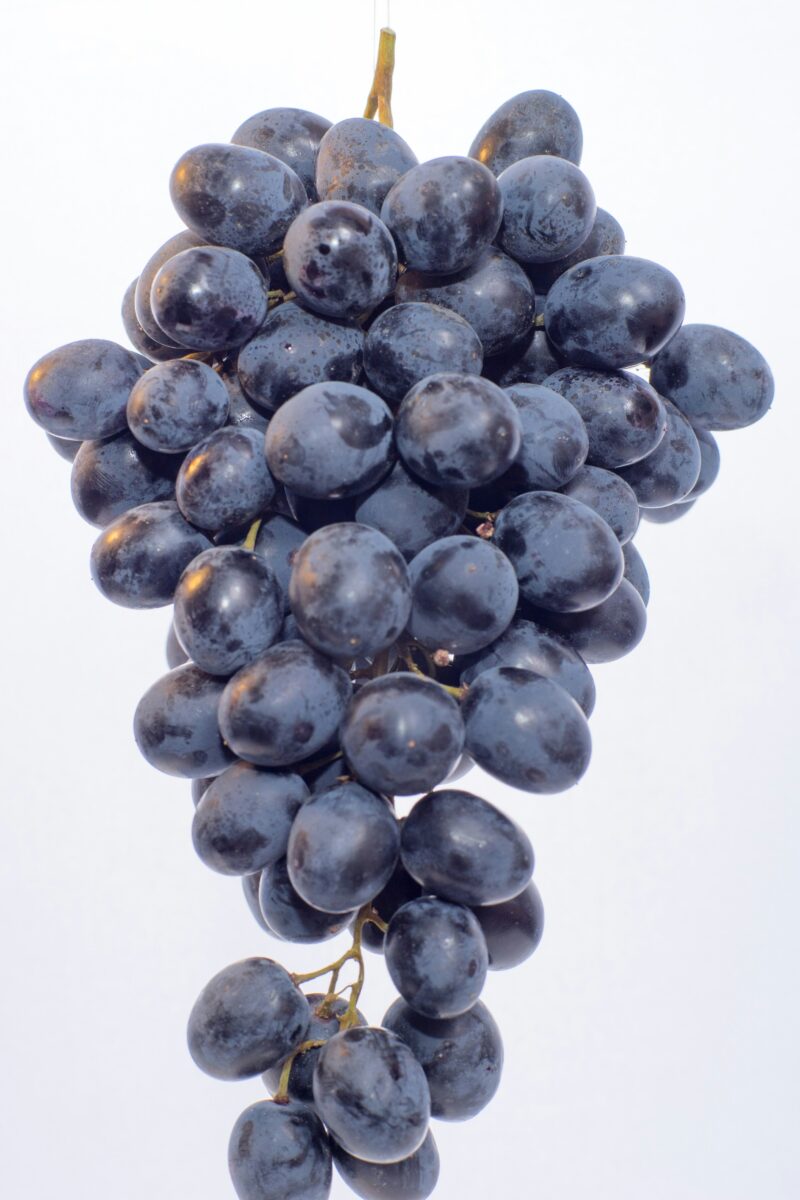
Grapes, especially red and purple varieties, are rich in polyphenols such as resveratrol and other protective compounds that help support heart health. While they may not provide as much fiber as apples or berries, grapes contribute to cholesterol management in a different way by helping reduce oxidative stress and supporting healthier blood vessel function. This makes them a useful addition to a varied, fruit-rich diet aimed at lowering cardiovascular risk.
Fresh grapes are also convenient, portable, and easy to eat regularly, which matters because consistency is one of the most important factors in any cholesterol-lowering diet. Rather than focusing on one “miracle” fruit, the goal should be to include a range of nutrient-dense choices across the week. Grapes fit well into that strategy, especially as a snack that can replace more heavily processed options.
Bananas
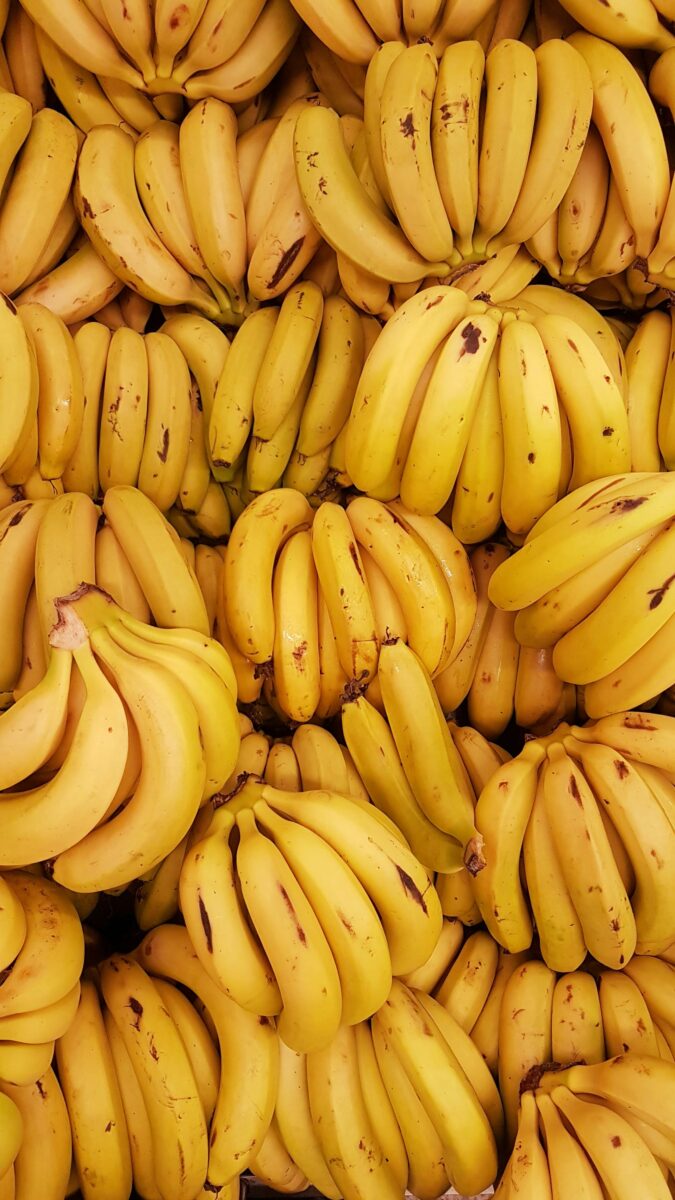
Bananas are sometimes overlooked in discussions about cholesterol, but they can still contribute to a heart-friendly eating pattern. They provide fiber and potassium, both of which support cardiovascular health. While bananas are not the highest-fiber fruit on this list, they are practical, affordable, and easy to include in everyday meals, which makes them useful for building long-term consistency.
Bananas work particularly well in breakfasts and snacks, whether sliced over oats, blended into smoothies, or eaten on their own. Their simplicity is part of their strength: healthy eating habits are easier to maintain when the foods involved are familiar, accessible, and convenient. Including bananas alongside higher-fiber fruits like berries and apples can help create a more balanced and sustainable approach to lowering cholesterol naturally.
How to include these fruits in your daily diet
Adding cholesterol-friendly fruits to your routine does not require a dramatic diet overhaul. In many cases, simple substitutions can make a meaningful difference. A breakfast of oats topped with berries or banana adds both fiber and valuable micronutrients to the start of your day. An apple in the afternoon can replace a processed snack, while grapes or citrus fruit can become a lighter alternative to sugary desserts. These small choices may seem minor individually, but over time they can add up to a diet that better supports healthy cholesterol levels.
Avocado can be added to salads, toast, wraps, or grain bowls to bring in heart-healthy fats, while berries can be mixed into yogurt or smoothies for an easy antioxidant boost. The key is regularity rather than perfection. A consistent pattern of eating more whole, fiber-rich fruit is far more valuable than occasional short-lived efforts. The National Heart, Lung, and Blood Institute also emphasizes diet quality, fiber intake, and healthy lifestyle habits as part of overall cholesterol management.
Final takeaway
Lowering cholesterol naturally is rarely about one single food. It is usually the result of a consistent, balanced eating pattern built around ingredients that support heart health in practical ways. Fruits deserve a central place in that strategy because they offer soluble fiber, antioxidants, and plant compounds that work together to help reduce LDL cholesterol and improve overall cardiovascular wellbeing.
Apples, berries, citrus fruits, avocados, grapes, and bananas all bring different strengths to the table, and together they can form part of a realistic and enjoyable long-term approach to healthier living. Combined with other smart dietary habits, exercise, and medical guidance where needed, these fruits can help you move toward better cholesterol levels in a natural and sustainable way.